Stress Management Techniques for Athletes
Understanding Stress in Athletes
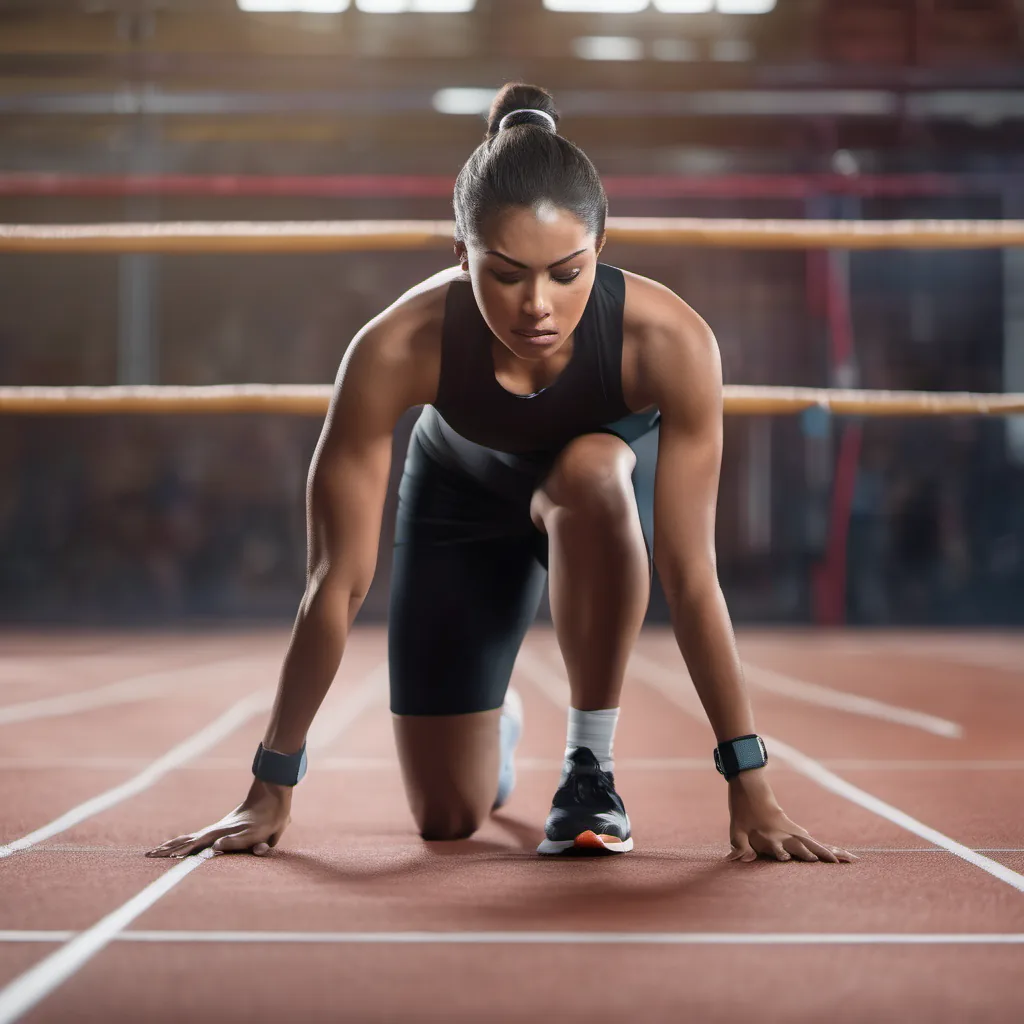
Athletes face unique stressors that can significantly impact their performance and overall well-being. Common stressors include competition pressure, injury concerns, and academic demands. These pressures often lead to both physiological and psychological effects, such as decreased focus, increased muscle tension, and heightened anxiety.
A study by the NCAA estimates that approximately 30% of college athletes experience significant symptoms of stress and anxiety. This statistic underscores the necessity of effective stress management techniques to help athletes perform at their best.
Mindfulness and Meditation Techniques
Mindfulness Meditation
Mindfulness meditation serves as a powerful tool for athletes. By helping them stay present, it reduces anxiety and allows them to focus on the current moment rather than dwelling on past mistakes or future worries. A study published in the Journal of Sport & Exercise Psychology in 2016 found that mindfulness meditation significantly reduced anxiety levels in collegiate athletes.
Deep Breathing Exercises
Deep breathing exercises can effectively lower an athlete's heart rate and blood pressure during stressful situations. According to a study by the American Heart Association in 2018, deep breathing can reduce heart rate by 10-15 beats per minute, which subsequently improves focus and performance. Here’s how to practice deep breathing:
- Find a comfortable position: Sit or lie down in a quiet space.
- Inhale deeply: Breathe in slowly through your nose, allowing your abdomen to expand.
- Hold your breath: Keep the air in for a few seconds.
- Exhale slowly: Release the air through your mouth, letting your abdomen contract.
- Repeat: Continue this process for 5-10 minutes, focusing on your breath.
Progressive Muscle Relaxation
Progressive muscle relaxation (PMR) is another effective technique for managing stress. It involves tensing and then relaxing different muscle groups to alleviate physical tension. Research reported in the International Journal of Stress Management in 2019 shows that PMR can decrease muscle tension by up to 30% in athletes. Here’s how to practice PMR:
- Get comfortable: Find a quiet spot and sit or lie down.
- Start with your feet: Tense your foot muscles for 5 seconds, then relax.
- Move up your body: Continue this process with your calves, thighs, abdomen, chest, arms, and face.
- Focus on relaxation: After tensing and relaxing all muscle groups, take a few deep breaths and enjoy the feeling of relaxation.
Practical Stress Management Strategies
Establishing a Pre-Performance Routine
Establishing a consistent pre-performance routine can significantly reduce anxiety. A structured approach helps athletes feel more in control and creates a sense of predictability and familiarity before games or events.
Visualization Techniques
Visualization techniques allow athletes to mentally rehearse successful performances. Research suggests that athletes who utilize these techniques report a 20% increase in confidence levels before competitions. Here’s a basic visualization exercise:
- Find a quiet space: Sit or lie down comfortably.
- Close your eyes: Take deep breaths to relax.
- Visualize: Imagine yourself performing successfully in your sport. Picture every detail, from the environment to your movements.
- Feel the emotions: Experience the confidence and joy of a successful performance.
- Repeat regularly: Incorporate this practice into your routine leading up to competitions.
The Role of Social Support
The emotional comfort provided by social support from teammates, coaches, and family members can significantly reduce stress. A 2020 survey of Olympic athletes revealed that 75% use some form of mental training technique, including visualization and mindfulness, to manage stress. Engaging with a support network fosters a sense of belonging and understanding, which is essential for coping with the pressures of competition.
Nutrition and Hydration
Proper nutrition and hydration also play a vital role in stress management. A balanced diet supports optimal physical and mental health, enabling athletes to better cope with stress. Ensuring adequate hydration is equally important, as dehydration can exacerbate feelings of anxiety and fatigue.
| Technique | Benefits | Supporting Research |
|---|---|---|
| Deep Breathing | Lowers heart rate by 10-15 bpm | American Heart Association, 2018 |
| Mindfulness Meditation | Reduces anxiety significantly | Journal of Sport & Exercise Psychology, 2016 |
| Progressive Muscle Relaxation | Decreases muscle tension by up to 30% | International Journal of Stress Management, 2019 |
| Visualization Techniques | 20% increase in confidence | Various athlete surveys, 2020 |
| Pre-Performance Routine | Creates predictability and control | General athlete practices |
| Social Support | Provides emotional comfort and reduces stress | Olympic athlete survey, 2020 |
| Proper Nutrition | Supports physical and mental health | General nutrition guidelines |
FAQ
What are some common stressors for athletes?
Common stressors include competition pressure, injury concerns, and academic demands.
How can deep breathing exercises help athletes?
Deep breathing can lower heart rate and blood pressure, improving focus and performance during stressful situations.
What is progressive muscle relaxation?
Progressive muscle relaxation involves tensing and then relaxing different muscle groups to reduce physical tension and promote relaxation.
How does social support impact an athlete's stress levels?
Social support from teammates, coaches, and family members provides emotional comfort and reduces stress by fostering a sense of belonging and understanding.
Why is nutrition important for athletes managing stress?
Proper nutrition supports optimal physical and mental health, helping athletes cope better with stress.
By incorporating these stress management techniques, athletes can improve their performance and adopt a healthier, more balanced approach to their sport.
Related articles

The Importance of a Balanced Diet for Athletes
A balanced diet is essential for athletes, providing the necessary energy and nutrients to optimize performance and recovery. This article explores the importance of macronutrients, hydration, and micronutrients in an athlete's diet.
Mental Strategies for Better Performance in Sports
This article explores mental strategies that enhance athletic performance, focusing on techniques like visualization, mindfulness, and positive self-talk. Discover how these methods can boost confidence, reduce anxiety, and improve focus in competitive sports.
The Key to Preventive Care in Fitness
Preventive care in fitness is essential for minimizing injury risk and promoting overall health. By focusing on personalized exercise programs, nutritional strategies, stress management, and sleep hygiene, individuals can significantly enhance their well-being.
Explore these topics
- athletes(6)
- performance(6)
- stress management(4)