Mental Strategies for Better Performance in Sports
Enhancing Focus and Concentration
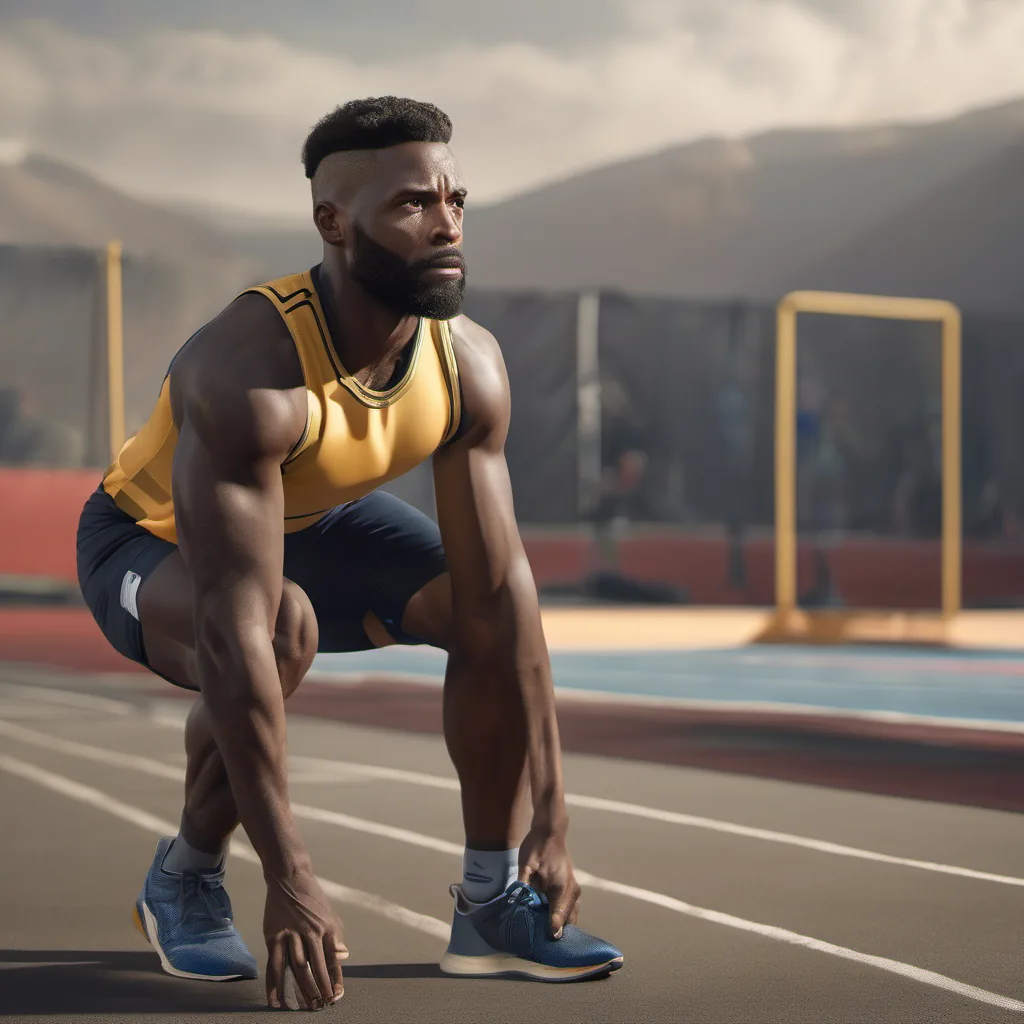
Athletes often face numerous distractions that can impede their performance. To combat these challenges, two effective mental strategies to enhance focus and concentration are mindfulness training and imagery techniques. By implementing these methods, athletes can significantly improve their mental clarity and execution under pressure.
Mindfulness Training
Mindfulness training involves cultivating present-moment awareness. By concentrating on the task at hand and acknowledging distractions without judgment, athletes can significantly enhance their concentration. Research indicates that mindfulness training can reduce anxiety symptoms by up to 44% in athletes (Moore et al., 2015). This reduction in anxiety not only helps athletes maintain clarity but also allows them to focus more effectively during high-pressure situations.
Imagery Techniques
In addition to mindfulness, imagery techniques play a crucial role in enhancing performance. These techniques involve creating vivid mental simulations of successful performances. For instance, athletes can visualize themselves executing a perfect performance, such as scoring a goal or making a flawless shot. A study published in the Journal of Applied Sport Psychology in 2013 found that athletes who regularly practiced visualization techniques showed a 23% improvement in performance compared to those who did not. This mental rehearsal not only sharpens concentration but also prepares the athlete's mind for anticipated scenarios during competition.
Managing Stress and Anxiety
In addition to enhancing focus, managing stress and anxiety is crucial for optimal athletic performance. Two effective techniques for alleviating stress are deep breathing exercises and progressive muscle relaxation. These methods help athletes maintain composure and improve their overall mental state.
Deep Breathing Exercises
Deep breathing exercises are simple yet powerful tools for lowering heart rate and reducing feelings of anxiety. By practicing controlled breathing, athletes can regain composure before and during competition. This technique activates the Relaxation Response, developed by Dr. Herbert Benson at Harvard Medical School, which has been shown to lower heart rate and blood pressure, thereby mitigating stress responses.
Progressive Muscle Relaxation
Another effective strategy is progressive muscle relaxation (PMR), which involves systematically tensing and then relaxing different muscle groups in the body. This technique helps alleviate the physical tension associated with stress. Athletes can integrate PMR into their pre-competition routines to enhance their mental state and readiness for performance. Research has indicated that pre-performance routines can reduce reaction time by up to 20% in sports requiring quick decision-making (Cohn, 1990).
Building Confidence and Motivation
Confidence and motivation are essential components of athletic success. To cultivate these attributes, athletes can utilize positive self-talk and goal setting through the SMARTER framework. These strategies can empower athletes to maintain focus and drive.
Positive Self-Talk
Positive self-talk involves replacing negative thoughts with encouraging and constructive statements. Athletes should concentrate on affirmations that boost self-belief and motivation. A meta-analysis of 85 studies demonstrated that self-talk interventions produced a medium to large effect on athletic performance (Hatzigeorgiadis et al., 2011). By fostering a positive internal dialogue, athletes can enhance their confidence and reduce performance anxiety.
Goal Setting (SMARTER)
Goal setting is another powerful motivational tool that provides clear direction for athletes. The SMARTER framework includes:
- Specific: Clearly define the goal.
- Measurable: Set criteria to measure progress.
- Achievable: Ensure the goal is attainable.
- Relevant: Align the goal with overall aspirations.
- Time-bound: Set a deadline for achieving the goal.
- Evaluate: Regularly assess progress.
- Readjust: Modify goals as necessary.
Employing this framework helps athletes maintain focus and motivation, significantly increasing their chances of achieving desired outcomes.
Conclusion
In summary, implementing these mental strategies can markedly enhance athletic performance. By concentrating on enhancing focus through mindfulness and imagery, managing stress with breathing techniques and muscle relaxation, and building confidence through positive self-talk and goal setting, athletes can optimize their potential and achieve peak performance.
FAQ
What is visualization in sports?
Visualization is a mental technique where athletes create vivid images of successful performances. It can enhance confidence and improve execution.
How does mindfulness training help athletes?
Mindfulness training helps athletes stay present, reduces anxiety, and improves focus during competition.
What is the SMARTER goal-setting framework?
The SMARTER framework is a goal-setting strategy that stands for Specific, Measurable, Achievable, Relevant, Time-bound, Evaluate, and Readjust.
Can self-talk really affect performance?
Yes, positive self-talk can significantly boost self-belief and motivation, leading to improved performance outcomes.
| Technique | Benefits | Evidence |
|---|---|---|
| Mindfulness Training | Reduces anxiety, improves focus | Reduces anxiety symptoms by up to 44% (Moore et al., 2015) |
| Imagery Techniques | Enhances concentration, prepares for competition | 23% performance improvement (Journal of Applied Sport Psychology, 2013) |
| Deep Breathing Exercises | Lowers heart rate, reduces anxiety | Activates the Relaxation Response (Dr. Herbert Benson) |
| Progressive Muscle Relaxation | Alleviates physical tension, enhances readiness | Reduces reaction time by up to 20% (Cohn, 1990) |
| Positive Self-Talk | Boosts confidence and motivation | Medium to large effect on performance (Hatzigeorgiadis et al., 2011) |
| SMARTER Goal Setting | Provides direction and motivation | Framework for enhancing goal clarity and achievement |
Related articles

Boost Your Mental Game: Sports Psychology for Athletes
Explore how sports psychology techniques can enhance athletic performance. From mental imagery to goal setting and stress management, discover strategies to boost your mental game.
Stress Management Techniques for Athletes
This article explores effective stress management techniques for athletes, including mindfulness meditation, deep breathing exercises, and visualization. Discover how these strategies can enhance performance and overall well-being.

Exploring Training Techniques for Better Results
Explore various training techniques like periodization and plyometrics that can enhance athletic performance. Discover the benefits of HIIT and effective recovery strategies to achieve optimal results.