The Role of Equipment in Weight Lifting
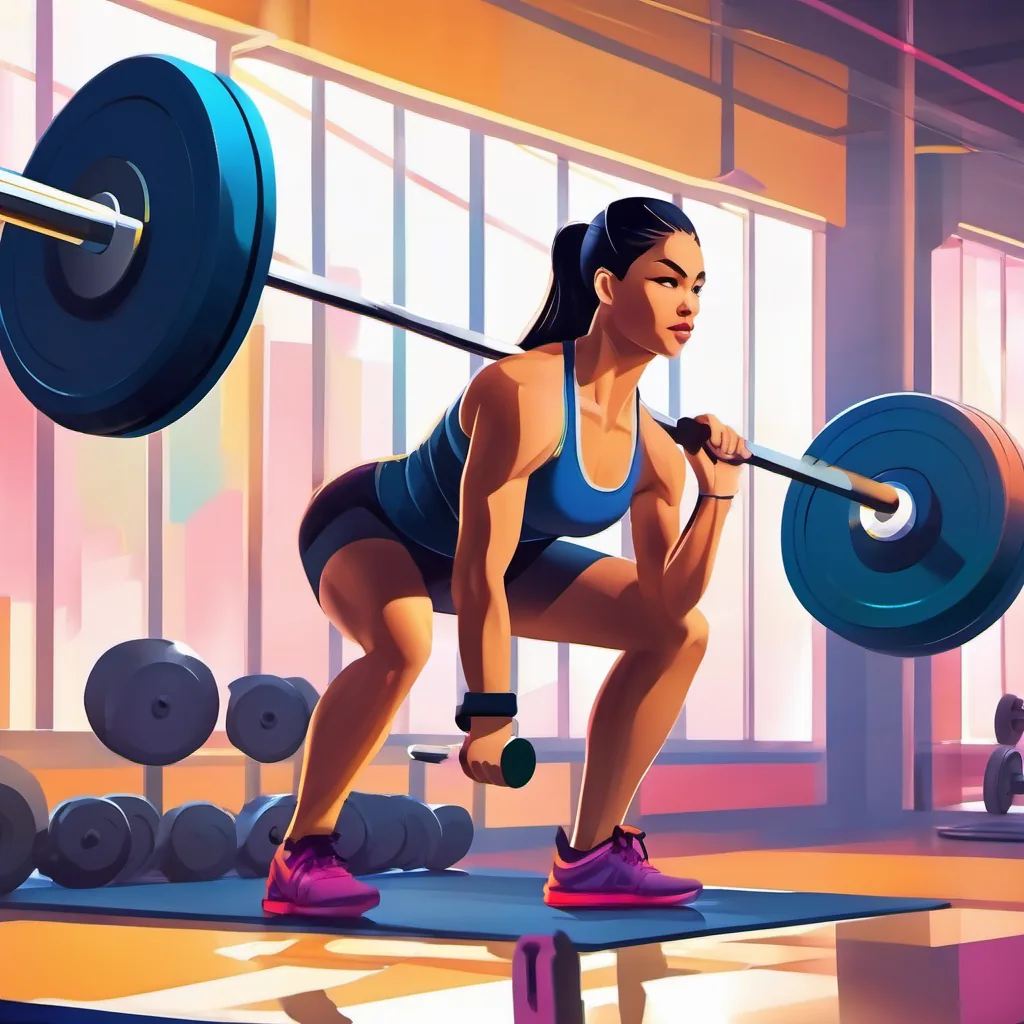
Belts and Core Stability
Weightlifting belts are more than just a fashion statement in the gym; they play a crucial role in enhancing core stability during heavy lifts. Research published in the Journal of Strength and Conditioning Research in 2003 found that weightlifting belts can increase lifting performance by an average of 10% in experienced lifters. This performance boost results from belts increasing intra-abdominal pressure by up to 40%, which provides essential spinal support during heavy squats and deadlifts.
Proper Belt Usage
To maximize the benefits of a weightlifting belt, proper usage is key. Lifters should brace their core against the belt, creating a rigid torso. This bracing technique not only enhances stability but also improves power transfer throughout the lift, enabling athletes to lift heavier weights safely.
Shoes and Biomechanics
Weightlifting shoes are specialized footwear designed to enhance performance in the weight room. First popularized in the mid-20th century, these shoes coincided with the rise of competitive weightlifting as an Olympic sport and have since become a staple for serious lifters.
Elevated Heels and Ankle Mobility
One of the defining features of weightlifting shoes is their elevated heel, typically ranging from 0.5 to 1 inch. This design improves ankle range of motion, allowing for a deeper squat while maintaining proper form. A deeper squat translates into better leverage and more effective muscle engagement, particularly in the quadriceps and glutes.
Stability and Force Production
In addition to enhancing ankle mobility, the rigid sole of weightlifting shoes provides a stable base of support. This stability is crucial for maximizing force production during lifts, ensuring that energy is efficiently transferred from the lifter to the barbell.
Grip Enhancement
Grip strength can significantly influence the success of a lift, especially in exercises like deadlifts or bent-over rows. Fortunately, several pieces of equipment can help enhance grip, allowing lifters to focus on their target muscles without worrying about their hold on the bar.
The Role of Chalk
Chalk, made from magnesium carbonate, has been a staple for gymnasts and weightlifters since the early 1900s. It absorbs moisture and increases friction between the hands and the barbell, significantly reducing the risk of slippage during heavy lifts. Studies indicate that using chalk can improve grip strength by up to 20%, making it an essential tool for serious lifters.
Lifting Straps
Lifting straps, typically made of nylon or leather and measuring between 12 and 24 inches in length, can also assist with grip. They wrap around both the barbell and the wrist, allowing lifters to maintain their grip during heavy pulls like deadlifts and rows. By overcoming grip limitations, lifters can concentrate on training their target muscles, particularly in the back and legs.
Knee Support and Injury Prevention
Knee sleeves are another valuable piece of equipment that can enhance performance and reduce the risk of injury. Studies suggest that knee sleeves can reduce pain perception by up to 30% in individuals with knee osteoarthritis during weight training, making them an excellent investment for those with existing knee issues.
Compression and Proprioception
Knee sleeves provide compression and warmth to the knee joint, alleviating pain and improving proprioception during squats and other leg exercises. The added support helps lifters maintain proper form, especially under heavy loads, thus reducing the risk of injury.
Equipment Comparison Table
| Equipment | Purpose | Key Benefit | Typical Specs |
|---|---|---|---|
| Weightlifting Belt | Core stability | Increases intra-abdominal pressure by up to 40% | Standard widths available |
| Weightlifting Shoes | Biomechanics | Improved ankle mobility and support | Heel elevation 0.5-1 inch |
| Wrist Wraps | Wrist joint stabilization | Reduces risk of injury and improves grip strength | Length 12-18 inches |
| Lifting Straps | Grip assistance | Allows focus on target muscles | 12-24 inches in length |
| Knee Sleeves | Knee support | Alleviates pain and improves proprioception | Varies in thickness |
| Chalk | Grip enhancement | Improves grip strength by up to 20% | Magnesium carbonate |
Frequently Asked Questions (FAQ)
Q: How do I know when to use a weightlifting belt?
A: Use a weightlifting belt when lifting heavy weights, generally around 80% of your one-rep max, especially for squats and deadlifts.
Q: Can I use weightlifting shoes for other types of workouts?
A: While they are primarily designed for weightlifting, they can be used in other strength training exercises but may not be suitable for running or cardio workouts.
Q: Are knee sleeves necessary?
A: They are not mandatory, but they can provide support and pain relief, especially for those with knee issues or those lifting heavy.
Q: How often should I replace my lifting straps and belts?
A: Inspect them regularly for wear and tear; replace them when they show signs of significant damage or decreased effectiveness.
Q: Is chalk allowed in competitions?
A: Yes, the International Weightlifting Federation (IWF) permits chalk in competitions, along with belts, wrist wraps, and knee sleeves, adhering to specific guidelines on dimensions and materials.
Related articles

Top Gear Reviews: Best Running Shoes for Long-Distance Runners
Discover the top running shoes for long-distance runners, emphasizing comfort, weight, and stability. From the Brooks Glycerin 20 to the Nike ZoomX Invincible Run Flyknit 3, find the perfect fit for your next marathon.
The Best Weight-Lifting Equipment for Home Use
Discover the top weight-lifting equipment ideal for home use. From adjustable dumbbells to power racks, this guide covers essential and supplementary gear for effective strength training.
Evaluating the Best Running Shoes for Your Feet
Choosing the right running shoes is essential for performance and injury prevention. This guide covers how to evaluate the best running shoes based on foot type, features, and fit.