Best Gear for Distance Runners
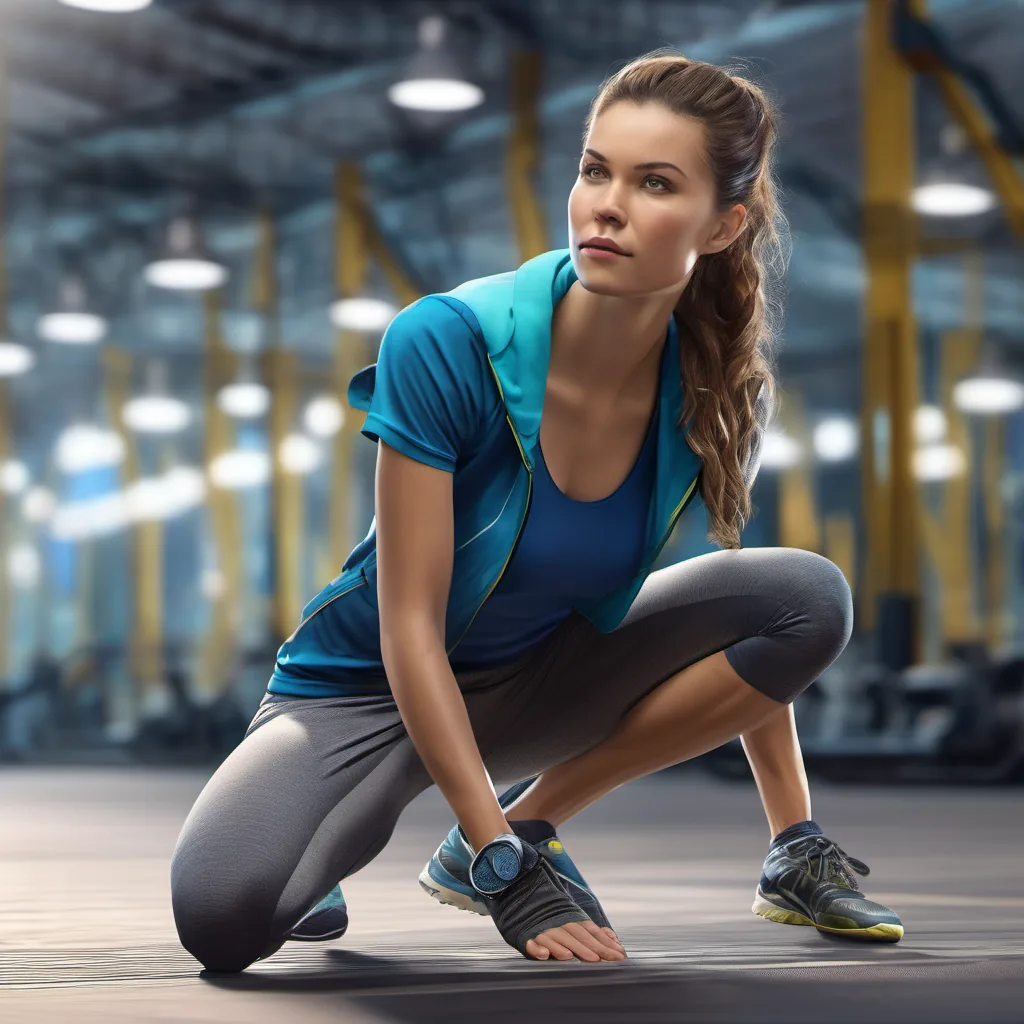
Essential Running Gear
When it comes to distance running, having the right gear can significantly impact both performance and comfort. Below are two essential categories of items that every distance runner should consider: shoes and clothing.
Selecting the Right Running Shoes
Choosing the right running shoes is crucial for any distance runner. The ideal shoes should be selected based on foot type, running style, and typical running distance. Here are the main types of running shoes:
| Shoe Type | Description | Best For |
|---|---|---|
| Neutral Shoes | Designed for efficient runners with a neutral gait. | Runners with high arches or neutral pronation. |
| Stability Shoes | Offers support for mild overpronators. | Runners who slightly roll inward. |
| Motion Control | Provides maximum support for severe overpronators. | Runners with flat feet. |
For example, the Brooks Glycerin 20 shoe weighs approximately 10.2 ounces (289 grams) for a men's size 9, making it a lightweight yet supportive option for distance runners.
Utilizing GPS Running Watches
GPS running watches have become indispensable tools for distance runners. These devices provide real-time metrics such as pace, distance, heart rate, and cadence, allowing runners to track their progress and optimize their training. Some popular models include:
- Garmin Forerunner 955 Solar: Offers up to 42 hours in GPS mode and up to 20 days in smartwatch mode.
- Coros Pace: A budget-friendly option known for its accuracy and long battery life.
Clothing and Accessories
In addition to shoes, the right clothing can greatly enhance comfort and performance during long runs. Here are key items to consider:
Wearing Moisture-Wicking Apparel
Opting for moisture-wicking apparel made from synthetic fabrics like polyester or nylon is essential. These materials help regulate body temperature and prevent chafing, which is crucial for long-distance comfort. Chafing can lead to discomfort and distractions during a run, making the choice of clothing even more important.
Using Running Socks
Running socks made from merino wool or synthetic blends are designed to minimize friction while wicking away moisture. This feature reduces the risk of blisters, a common issue for distance runners. Additionally, a study published in the "Journal of Sports Science & Medicine" in 2016 found that wearing compression socks can improve running economy by up to 2%.
Nutrition and Hydration
Proper nutrition and hydration are vital for maintaining performance during long-distance runs. Here are essential hydration and nutrition tools:
Carrying Hydration Packs or Handheld Water Bottles
Hydration packs or handheld water bottles are crucial for carrying water or electrolyte drinks on longer runs. Dehydration can decrease performance by as much as 30%, according to the American College of Sports Medicine. Runners should aim to drink fluids regularly, ensuring they remain hydrated throughout their runs.
Using Fuel Belts or Vests
For runs lasting longer than 75-90 minutes, fuel belts or vests allow runners to carry energy gels, chews, or bars to replenish glycogen stores. For example, GU Energy Gels provide approximately 100 calories and 23 grams of carbohydrates per packet, making them an effective option for maintaining energy levels during long runs.
Anti-Chafing Products
An often-overlooked aspect of long-distance running is the potential for chafing. Applying anti-chafing balm or cream to areas prone to friction, such as the inner thighs, armpits, and nipples, can prevent painful chafing during long runs.
FAQ
What are the best shoes for neutral runners?
Neutral runners typically benefit from neutral shoes like the Brooks Glycerin 20 or Asics Gel Nimbus 24.
How often should I replace my running shoes?
It's recommended to replace running shoes every 300-500 miles depending on usage and wear.
What should I eat before a long run?
A pre-run meal should include easily digestible carbohydrates, such as oatmeal or a banana, consumed about 30-60 minutes prior to running.
How do I prevent blisters while running?
Wear moisture-wicking socks and ensure your shoes fit properly to minimize friction.
How much water should I drink during a long run?
Aim to consume about 6-8 ounces of water every 20 minutes during runs longer than 60 minutes to maintain hydration.
By investing in the right gear and understanding your body's needs, you can enhance both your performance and enjoyment of distance running. Remember, what works for one runner may not work for another, so it’s crucial to find the gear that suits you best.
Related articles
Best Gear for Runners: What You Need
Discover the essential gear every runner needs to enhance their performance and safety. From the right shoes to hydration solutions, we cover everything you need to elevate your running experience.
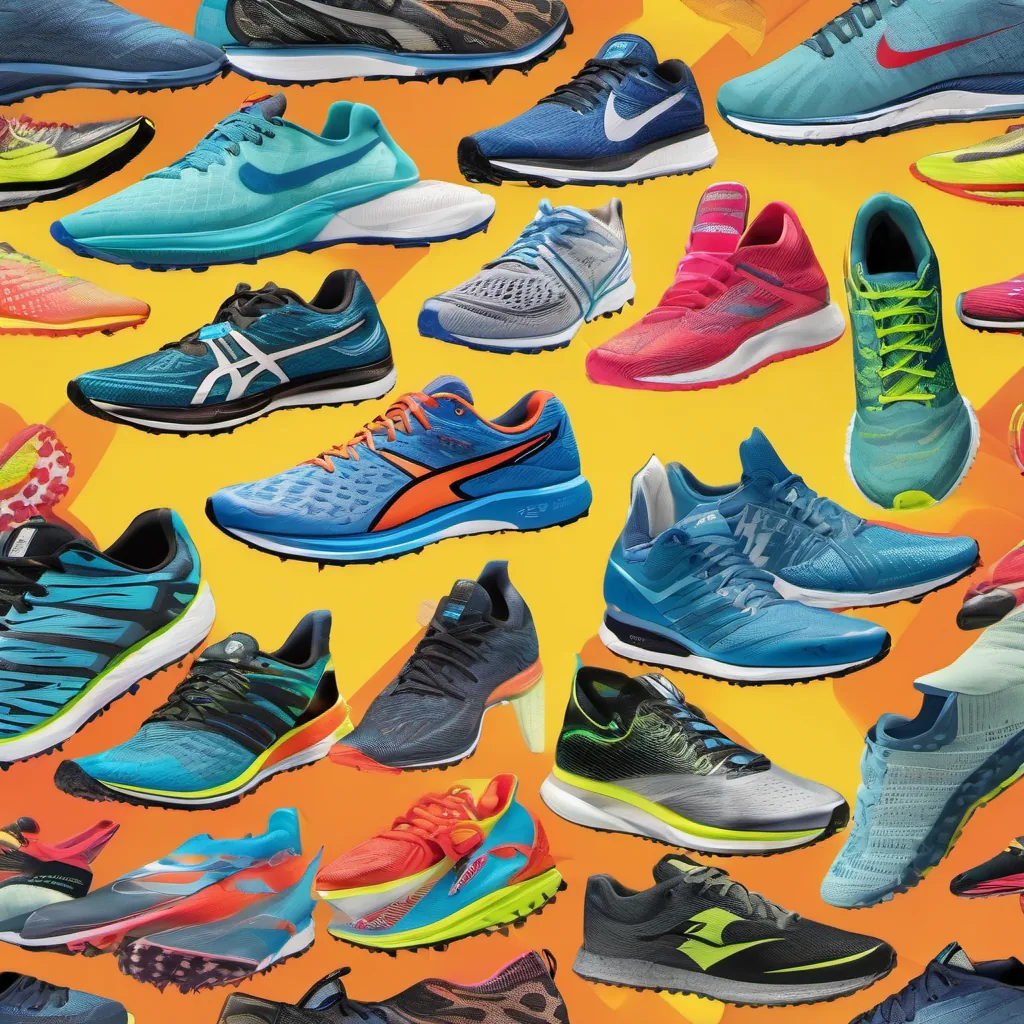
Top Gear Reviews: Best Running Shoes for Long-Distance Runners
Discover the top running shoes for long-distance runners, emphasizing comfort, weight, and stability. From the Brooks Glycerin 20 to the Nike ZoomX Invincible Run Flyknit 3, find the perfect fit for your next marathon.
The Best Weight-Lifting Equipment for Home Use
Discover the top weight-lifting equipment ideal for home use. From adjustable dumbbells to power racks, this guide covers essential and supplementary gear for effective strength training.