Best Gear for Runners: What You Need
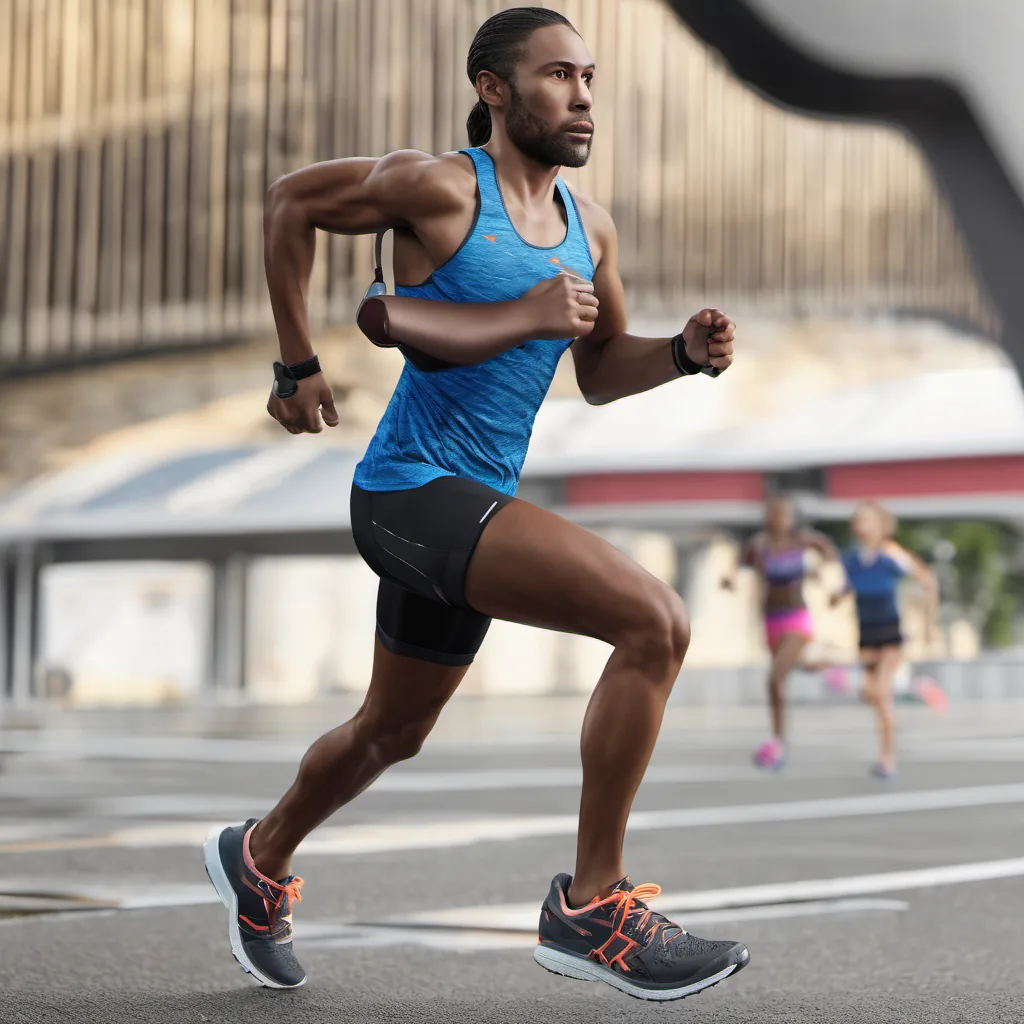
Essential Running Gear
Running Shoes
Running shoes are the most crucial gear for any runner. Proper fit and support are paramount; therefore, consider visiting a specialty running store for a gait analysis and personalized recommendations. A study published in the Journal of Sports Sciences in 2016 found that wearing properly fitted running shoes can reduce the risk of running-related injuries by up to 25%. Popular brands like Brooks, Saucony, and Hoka offer various models tailored to different foot types and running styles, ensuring that every runner can find the perfect fit.
Moisture-Wicking Apparel
In addition to shoes, the right clothing plays a significant role in your running experience. Choose moisture-wicking fabrics, such as polyester or merino wool, to keep you dry and comfortable during your runs. Unlike cotton, which retains moisture and can lead to chafing, moisture-wicking shirts and shorts help regulate body temperature and enhance comfort.
| Fabric Type | Advantages | Disadvantages |
|---|---|---|
| Polyester | Quick drying, lightweight | Can retain odors |
| Merino Wool | Temperature regulation, odor resistant | Generally more expensive |
| Cotton | Soft and comfortable | Retains moisture |
Monitoring Performance and Staying Safe
GPS Running Watch
To track your performance effectively, a GPS running watch is essential. These devices monitor your pace, distance, heart rate, and more. For instance, the Garmin Forerunner 245 Music can store up to 500 songs, allowing runners to enjoy music without the hassle of carrying a phone. Other popular choices include the Apple Watch and various models from Fitbit, each offering advanced features to enhance your training.
Reflective Gear
Safety should always be a priority, especially when running in low-light conditions. High-visibility reflective gear, such as vests, armbands, or shoe lights, significantly enhances your visibility and helps keep you safe. Be sure to prioritize gear that meets safety standards like ANSI/ISEA 107, which provides 360-degree reflectivity for added security during your runs.
Hydration and Sun Protection
Hydration Solutions
Staying hydrated is essential, particularly for longer runs or during warm weather. To ensure you have enough fluids, carry water with you using a water bottle, hydration pack, or handheld bottle. For example, the Nathan SpeedDraw Plus Insulated Flask holds 18 oz of water and features an ergonomic design for comfortable handheld hydration. Aim to drink 4-6 ounces of water every 20 minutes during your run, and consider electrolyte drinks for added hydration benefits.
Sun Protection
In addition to hydration, protecting your skin from harmful UV rays is vital for outdoor runners. Use sunscreen with an SPF of 30 or higher, applying it 15-30 minutes before sun exposure. Remember to reapply every two hours, especially when sweating, as recommended by the American Academy of Dermatology. Furthermore, wearing a hat and sunglasses can provide additional shielding for your skin and eyes against sun damage.
| Protection Type | Recommended Products | Key Features |
|---|---|---|
| Sunscreen | SPF 30+ products | Broad-spectrum protection |
| Hat | Lightweight, breathable materials | UV protection |
| Sunglasses | UV-blocking lenses | Polarized options |
FAQ
Q: How often should I replace my running shoes?
A: It's generally recommended to replace running shoes every 300-500 miles, depending on your running style and shoe wear.
Q: Can I use regular sportswear for running?
A: While you can, it's best to use moisture-wicking apparel designed specifically for running to enhance comfort and performance.
Q: How do I know if my running shoes fit properly?
A: Your shoes should have about a thumb's width of space between your longest toe and the end of the shoe, and they should feel snug but not tight around the midfoot.
Q: What should I do if I feel pain while running?
A: If you experience pain while running, it’s important to stop and assess the situation. Consider consulting with a professional, such as a physical therapist or a running coach, if the pain persists.
Q: Do I really need a GPS watch?
A: While it's not mandatory, a GPS watch can greatly enhance your training by providing valuable data on your performance, helping you set and achieve goals.
Related articles

Best Gear for Distance Runners
Choosing the right gear is crucial for distance runners. This article explores essential running shoes, GPS watches, hydration options, and more to enhance performance and comfort.

Techniques for Effective Gear Review
This article explores techniques for effective gear reviews, focusing on the Osprey Atmos AG 65 backpack. Learn about its features, performance, and how it compares to competitors to make informed purchasing decisions.

Best Weight-Lifting Techniques to Avoid Injury
Learn how to lift weights effectively while minimizing the risk of injury. This article covers proper techniques, warm-up routines, and recovery strategies for safe weightlifting.