The Power of Positive Thinking in Sports
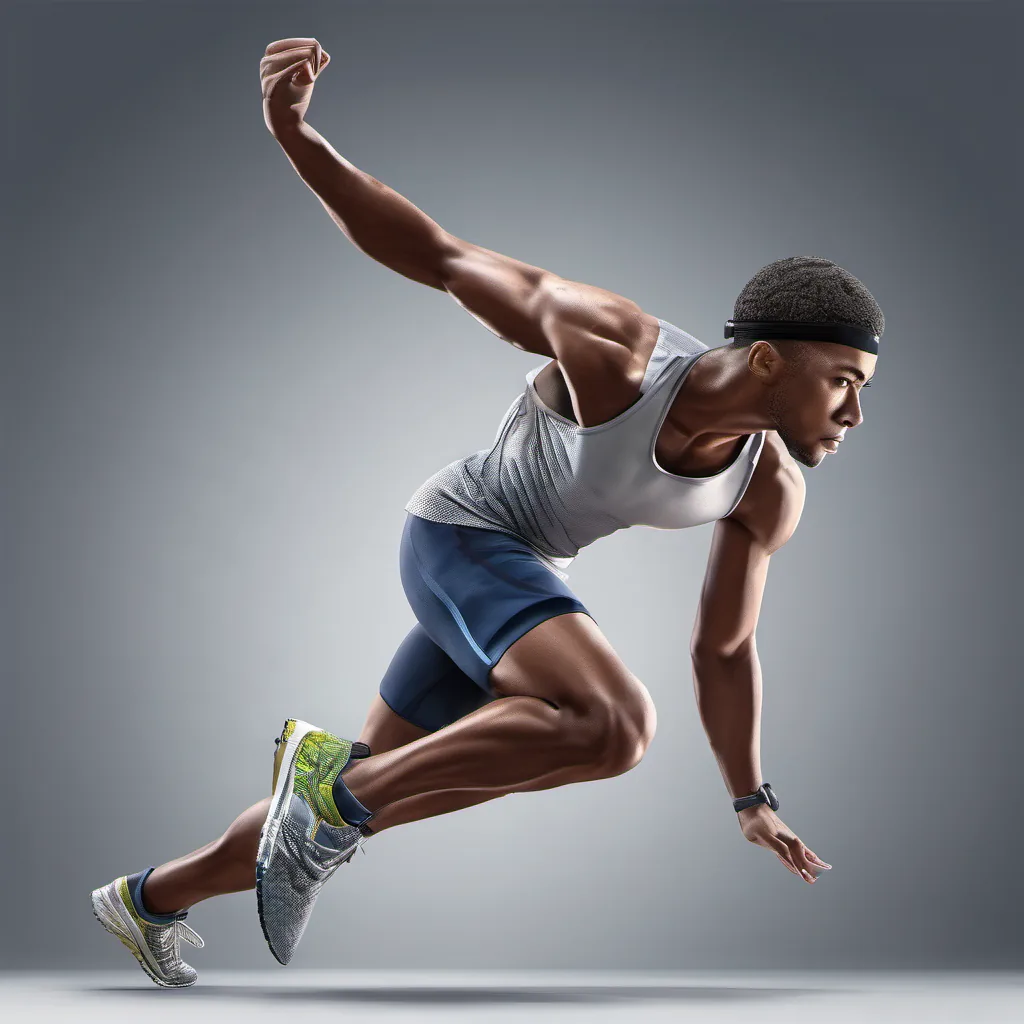
The Science Behind Positive Thinking in Sports
Positive thinking is not just a motivational slogan; it's a scientifically supported approach that can significantly enhance athletic performance. By harnessing the power of positive thoughts, athletes can experience a multitude of benefits that extend beyond the playing field.
Neuroplasticity: Rewiring the Brain for Success
Neuroplasticity refers to the brain's ability to reorganize itself by forming new neural connections throughout life. Positive thinking can stimulate neuroplasticity, allowing athletes to develop stronger mental pathways that enhance performance. This means that by fostering a positive mindset, athletes can literally rewire their brains to improve focus, coordination, and execution of skills.
Neurotransmitters: The Chemical Boost
In addition to neuroplasticity, positive thoughts influence the production of key neurotransmitters like dopamine and serotonin. These chemicals play a crucial role in promoting motivation and reducing anxiety. For instance, a study published in the Journal of Sport & Exercise Psychology in 2010 found that athletes who engaged in positive self-talk improved their performance by up to 20% compared to those who used negative or neutral self-talk. This highlights how a positive mental state can lead to tangible improvements in athletic performance.
Practical Techniques for Cultivating a Positive Mindset
To harness the benefits of positive thinking, athletes can adopt several practical techniques that can profoundly impact their performance.
Effective Positive Self-Talk Strategies
Developing effective positive self-talk strategies involves replacing negative thoughts with positive affirmations. For example, instead of thinking "I might fail," an athlete can say, "I am prepared and capable of succeeding." Research by Dr. Alan Goldberg in 2015 indicated that 90% of mental toughness in sports comes from positive self-talk and mental imagery. This kind of mental preparation helps athletes build confidence and tackle challenges more effectively.
Visualization Techniques for Success
Visualization techniques allow athletes to mentally rehearse successful performances. This practice has been widely adopted; a 2021 survey of Olympic athletes revealed that 85% reported using visualization as a part of their training regimen. When athletes vividly imagine themselves executing skills perfectly, they improve their motor skills and coordination, leading to enhanced execution during competition.
The Impact of Positive Thinking on Team Dynamics
The importance of a positive mindset extends to team dynamics, where it fosters a sense of collaboration and support among athletes.
Creating a Supportive Team Environment
A supportive and encouraging team environment can be cultivated through positive communication and constructive feedback. Teams that prioritize positive reinforcement create an atmosphere where athletes feel motivated to improve and work together to achieve common goals. A 2019 study by the Positive Coaching Alliance found that youth athletes who receive positive encouragement from coaches are 50% more likely to continue playing sports long-term.
Building Team Cohesion and Collaboration
Fostering a shared belief in collective success is essential in team sports. Positive thinking helps build team cohesion, as athletes are more likely to work together effectively when they share a vision of success. This collaborative spirit enhances performance and contributes to a more enjoyable and fulfilling sporting experience.
FAQ
Q: How can positive thinking improve athletic performance?
A: Positive thinking enhances focus, reduces anxiety, and increases confidence, leading to improved performance. Studies show that athletes using positive self-talk can boost performance by up to 20%.
Q: What are some visualization techniques athletes can use?
A: Athletes can visualize successful performances by imagining themselves executing skills perfectly, which can improve motor skills and coordination.
Q: How does positive thinking affect team dynamics?
A: Positive thinking fosters a supportive environment where athletes collaborate effectively, leading to better team cohesion and communication.
Q: What are the health benefits of positive thinking for athletes?
A: Positive thinking can reduce stress, improve cardiovascular health, and enhance overall well-being, contributing to better physical endurance.
| Technique | Description | Benefits |
|---|---|---|
| Positive Self-Talk | Replacing negative thoughts with affirmations | Builds confidence and reduces anxiety |
| Visualization | Mentally rehearsing successful performances | Enhances motor skills and coordination |
| Positive Team Communication | Using constructive feedback and encouragement | Fosters team cohesion and support |
| Mindfulness Practices | Engaging in mindfulness to stay focused and present | Reduces stress and risk of injury |
In conclusion, the power of positive thinking in sports cannot be overstated. By adopting a positive mindset, utilizing effective techniques, and fostering a supportive team environment, athletes can enhance their performance, cope with challenges, and ultimately achieve their goals. Embracing positivity not only elevates individual performance but also strengthens team dynamics, creating a culture of resilience and success.
Related articles

Mental Toughness: How Sports Psychology Can Benefit You
Mental toughness is essential for athletes, involving resilience, confidence, and focus. This article explores how sports psychology techniques can enhance mental fortitude and improve performance.

Exploring Training Techniques for Better Results
Explore various training techniques like periodization and plyometrics that can enhance athletic performance. Discover the benefits of HIIT and effective recovery strategies to achieve optimal results.

Hydration and Sports Performance: What You Need to Know
Hydration plays a crucial role in sports performance, influencing everything from strength and power to cognitive function. This article explores the impact of hydration on athletic performance and provides practical strategies for optimizing fluid intake.