Mental Health Strategies for Athletes

Understanding Mental Health in Athletes
Athletes are often viewed as the epitome of strength and resilience. However, behind the scenes, many are grappling with significant mental health challenges. A 2019 study published in the British Journal of Sports Medicine revealed that approximately 34% of elite athletes experience symptoms of anxiety or depression. These mental health issues can manifest in various forms, including performance anxiety, depression, eating disorders, and burnout.
The stressors faced by athletes are unique and multifaceted. Performance pressure, the constant threat of injury, and scrutiny from social media and fans create an environment ripe for mental health issues. For instance, the NCAA reported that nearly 30% of student-athletes feel overwhelmed, with about 10% reporting symptoms of depression. High-profile athletes like Michael Phelps and Naomi Osaka have openly discussed their mental health struggles, bringing attention to the importance of addressing these challenges in sports.
Strategies for Managing Performance Anxiety
Performance anxiety can cripple an athlete's ability to perform at their best. To combat this pervasive issue, several effective strategies can be employed:
Visualization Techniques
Visualization involves mentally rehearsing successful performances. Athletes can create a vivid mental image of themselves succeeding, which helps reduce anxiety and boost confidence. Research shows that mental imagery can enhance actual performance by preparing the mind for what to expect during competition.
Deep Breathing Exercises
Deep breathing exercises are effective in calming the nervous system and alleviating anxiety symptoms. By focusing on slow, deep breaths, athletes can activate the body’s relaxation response. This technique can be practiced before competitions to help maintain composure and focus.
Positive Self-Talk
Positive self-talk and cognitive restructuring are essential for challenging negative thoughts. Athletes can replace self-doubt with affirmations and positive statements about their abilities. This shift in mindset significantly enhances confidence and reduces anxiety, enabling athletes to perform at their peak.
| Strategy | Description | Benefits |
|---|---|---|
| Visualization | Mentally rehearsing successful performances | Boosts confidence, reduces anxiety |
| Deep Breathing | Focusing on slow, deep breaths to calm the nervous system | Promotes relaxation and focus |
| Positive Self-Talk | Using affirmations to challenge negative thoughts | Enhances confidence, reduces self-doubt |
Building Resilience and Social Support
Strong social connections are vital for athletes' mental well-being. The support of teammates, coaches, and family members can provide a solid foundation during tough times.
Seeking Professional Help
Athletes should not hesitate to seek help from therapists or sports psychologists. Professional guidance can equip them with coping strategies tailored to their unique stressors. A study published in the Journal of Athletic Training found that mindfulness-based interventions can significantly reduce anxiety and improve psychological well-being in athletes.
Mindfulness Practices
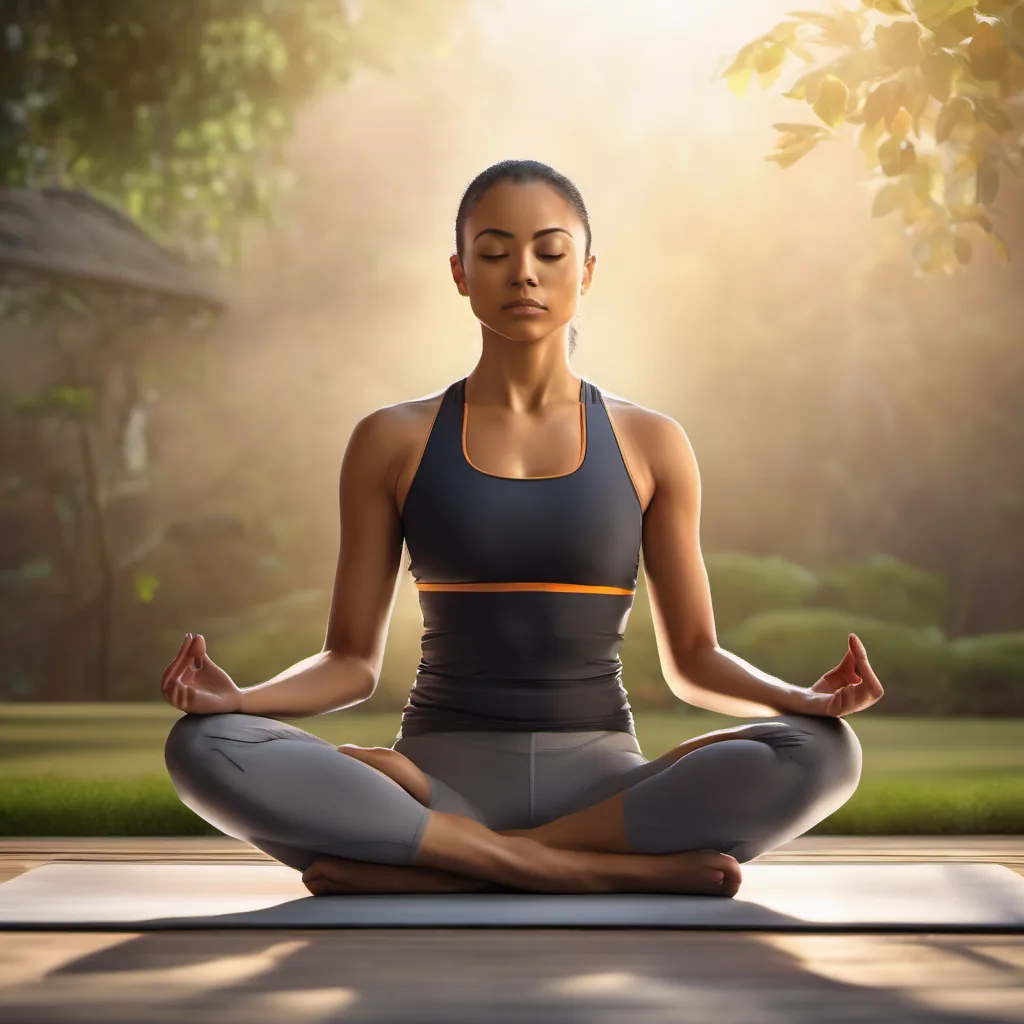
Mindfulness practices, such as meditation and yoga, are invaluable for stress reduction and emotional regulation. These techniques help athletes stay present, manage their emotions, and improve focus during competitions. Incorporating mindfulness into their routine can lead to enhanced mental clarity and resilience.
| Support System | Benefits | Examples |
|---|---|---|
| Teammates | Emotional support, shared experiences | Team bonding activities, open discussions |
| Coaches | Guidance, mentorship | Regular check-ins, mental skills training |
| Mental Health Professionals | Professional coping strategies | Therapy sessions, mindfulness workshops |
FAQs
What are the common mental health issues faced by athletes?
Athletes commonly experience anxiety, depression, eating disorders, and burnout due to the high-pressure nature of their environment.
How can visualization improve athletic performance?
Visualization helps athletes mentally rehearse successful outcomes, enhancing confidence and reducing performance anxiety.
Why is social support important for athletes?
Social support from teammates, coaches, and family members provides emotional stability, reduces feelings of isolation, and encourages open communication about mental health.
How does sleep affect an athlete's mental health?
Aiming for 7-9 hours of quality sleep per night enhances mood, cognitive function, and physical recovery, all of which are crucial for an athlete's performance.
What role does nutrition play in mental health?
Proper nutrition and hydration support brain function and help regulate mood. A balanced diet can positively impact mental well-being and overall performance.
By implementing these mental health strategies, athletes can cultivate resilience, improve their performance, and maintain their overall well-being in the competitive world of sports.
Related articles
Mental Health and Sports: Strategies for Athletes
This article explores the mental health challenges faced by athletes, including anxiety and depression, and offers effective strategies for promoting mental well-being. It emphasizes the importance of professional support and the role of teams in fostering a supportive environment.

Mental Health and Sports Performance: Understanding the Connection
Mental health issues are prevalent among athletes, impacting their performance and overall well-being. This article explores the connection between mental health and sports performance, highlighting challenges, impacts, and effective strategies for support.

5-Day Split Workout Routine for Weight Lifters
Explore an effective 5-day split workout plan designed for weight lifters, focusing on targeted muscle training. Learn the importance of progressive overload, nutrition, and recovery in achieving your fitness goals.
Explore these topics
- athletes(6)
- mental health(5)