Evaluating the Best Running Shoes for Your Feet
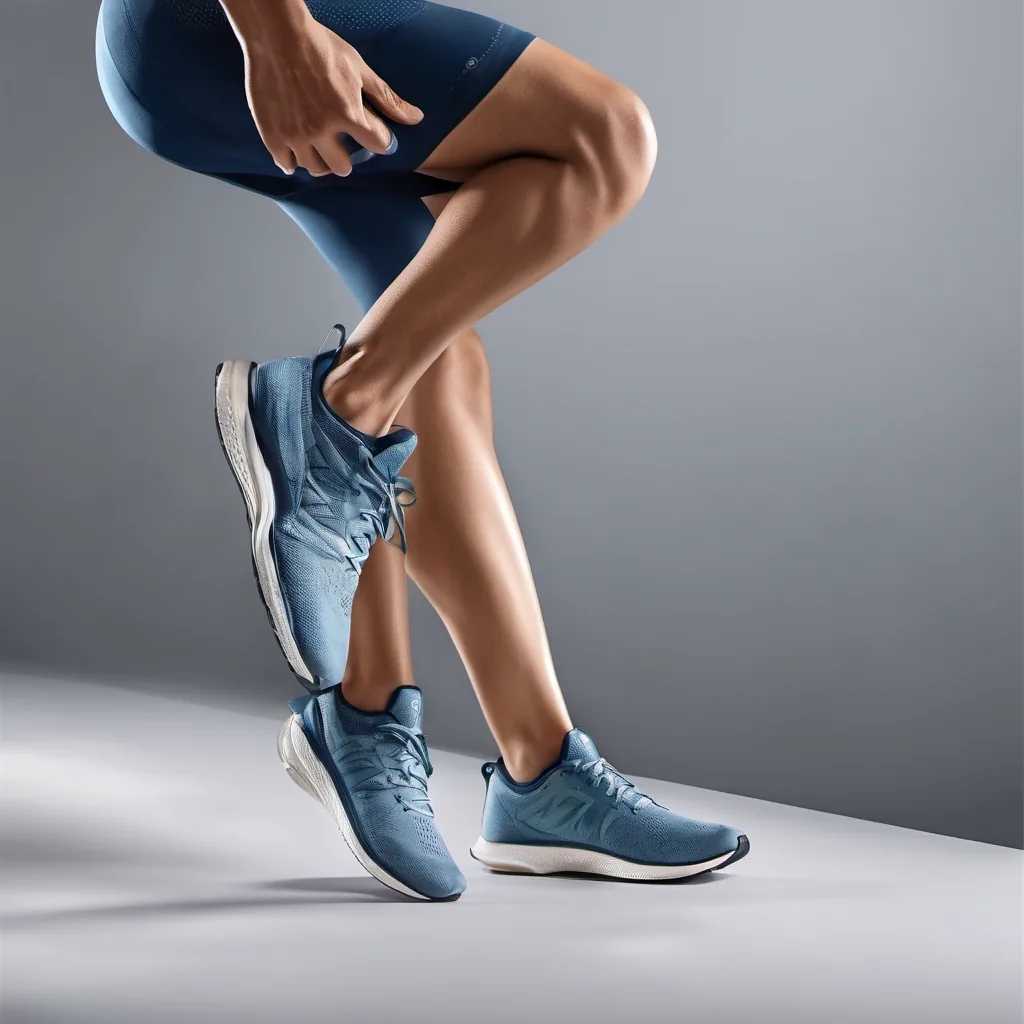
Evaluating the Best Running Shoes for Your Feet
Choosing the right running shoes can significantly impact your performance and comfort. The right pair enhances your running experience and helps prevent injuries. This comprehensive guide will help you evaluate the best running shoes tailored for your feet.
Understanding Your Foot Type and Pronation
Before you start shopping for running shoes, it’s crucial to understand your foot type and pronation. This knowledge will guide you in selecting shoes that provide the best support and comfort.
Determine Your Arch Type
Your foot arch can be categorized into three types:
- High Arch: If your footprint shows a narrow band connecting the heel and toe, you likely have a high arch. High arches benefit from cushioned shoes that provide additional support and shock absorption.
- Neutral Arch: A moderate curve in the footprint indicates a neutral arch. Runners with neutral arches can typically wear neutral shoes that offer balanced support and cushioning.
- Flat Feet: If your footprint has little to no curve, you have flat feet. Stability shoes are recommended for flat feet to prevent overpronation, which can lead to injuries.
Identify Your Pronation Type
Pronation refers to how your foot rolls when you run and can be categorized into three types:
- Neutral Pronators: These runners have a normal gait and can use neutral shoes.
- Overpronators: This group rolls their feet inwards excessively, requiring stability shoes for support.
- Supinators: Runners who don’t roll their feet in enough need cushioned shoes to help absorb impact.
Consulting with a running specialist or analyzing your gait can provide valuable insights into your pronation type.
Key Features to Consider When Choosing Running Shoes
Once you understand your foot type, consider these key features when selecting the right pair of running shoes:
| Feature | Description | Recommendations |
|---|---|---|
| Cushioning | Evaluate based on weight, running distance, and surface. Higher cushioning is better for heavier runners. | Cushioned shoes for high arches; neutral for neutral arches. |
| Support | Choose shoes that match your pronation type. Stability shoes for overpronators and cushioned for supinators. | Stability shoes for flat feet; neutral for neutral pronators. |
| Traction | Important for the running surface. Road shoes focus on cushioning; trail shoes on traction and protection. | Road shoes for pavement; trail shoes for rugged terrain. |
Cushioning
The level of cushioning in your shoes should match your running style and distance. For longer runs, more cushioning is essential to prevent fatigue. The average running shoe weighs between 8 and 12 ounces (227-340 grams), which can also influence your choice based on comfort and performance.
Support
Proper support is non-negotiable. A study published in the British Journal of Sports Medicine in 2011 emphasizes that shoe comfort is a key factor in reducing running-related injuries. Ensure that your shoe choice provides adequate support according to your pronation type.
Traction
If you run primarily on trails, choose shoes designed for rugged terrain that provide excellent traction. Road shoes typically prioritize cushioning and flexibility, making them suitable for pavement running.
Proper Fit and Sizing
A proper fit is essential for comfort and performance. Here’s how to ensure you get the right size:
Measure Your Feet Accurately
- Measure your feet at the end of the day when they are most swollen for an accurate fit.
- Don’t forget to measure both feet, as one is often slightly larger than the other. This will help you choose the right size for both feet.
Ensure Adequate Toe Box Space
When trying on shoes, wear the same socks you would typically use for running. Ensure there is about a thumb's width of space between your longest toe and the end of the shoe to prevent blisters and black toenails.
FAQs
Q: How often should I replace my running shoes?
A: It’s recommended to replace your running shoes every 300-500 miles (482-805 kilometers) to maintain adequate cushioning and support, as the midsole material degrades over time.
Q: What is heel-to-toe drop and why is it important?
A: Heel-to-toe drop is the difference in height between the heel and forefoot, measured in millimeters (mm). A lower drop (0-4mm) encourages a natural midfoot strike, while a higher drop (10-12mm) can reduce stress on the Achilles tendon.
Q: Can shoe comfort really prevent injuries?
A: Yes, according to research, shoe comfort plays a significant role in reducing running-related injuries. Choosing the right pair tailored to your foot type is crucial.
Q: What brands should I consider for running shoes?
A: Brands like Brooks Running, founded in 1914, have a rich history in the running shoe industry. They focus on designs that cater to different foot types and running needs.
By understanding your foot type, evaluating key features, and ensuring a proper fit, you can find the best running shoes tailored to your needs. Happy running!
Related articles
Reviewing the Best Running Shoes for Your Needs
Explore the best running shoes tailored to your needs, from cushioned options like Brooks Glycerin 20 to lightweight models like Saucony Kinvara 14. This comprehensive guide covers essential shoe types, recommendations, and key features to help you make an informed decision.
Top Gear Reviews: Best Running Shoes for Long-Distance Runners
Discover the top running shoes for long-distance runners, emphasizing comfort, weight, and stability. From the Brooks Glycerin 20 to the Nike ZoomX Invincible Run Flyknit 3, find the perfect fit for your next marathon.
The Best Weight-Lifting Equipment for Home Use
Discover the top weight-lifting equipment ideal for home use. From adjustable dumbbells to power racks, this guide covers essential and supplementary gear for effective strength training.