Best Weight-Lifting Techniques to Avoid Injury
Best Weight-Lifting Techniques to Avoid Injury
Weightlifting can be an excellent way to build strength, improve fitness, and enhance overall health. However, improper techniques can lead to injuries that may derail your progress. This article outlines the best weight-lifting techniques to help you avoid injuries and stay on track with your fitness goals.
Proper Form and Technique
Maintaining proper form during weightlifting is crucial to minimize stress on your joints and muscles. Below are key points to consider for achieving the right technique:
Correct Posture and Alignment
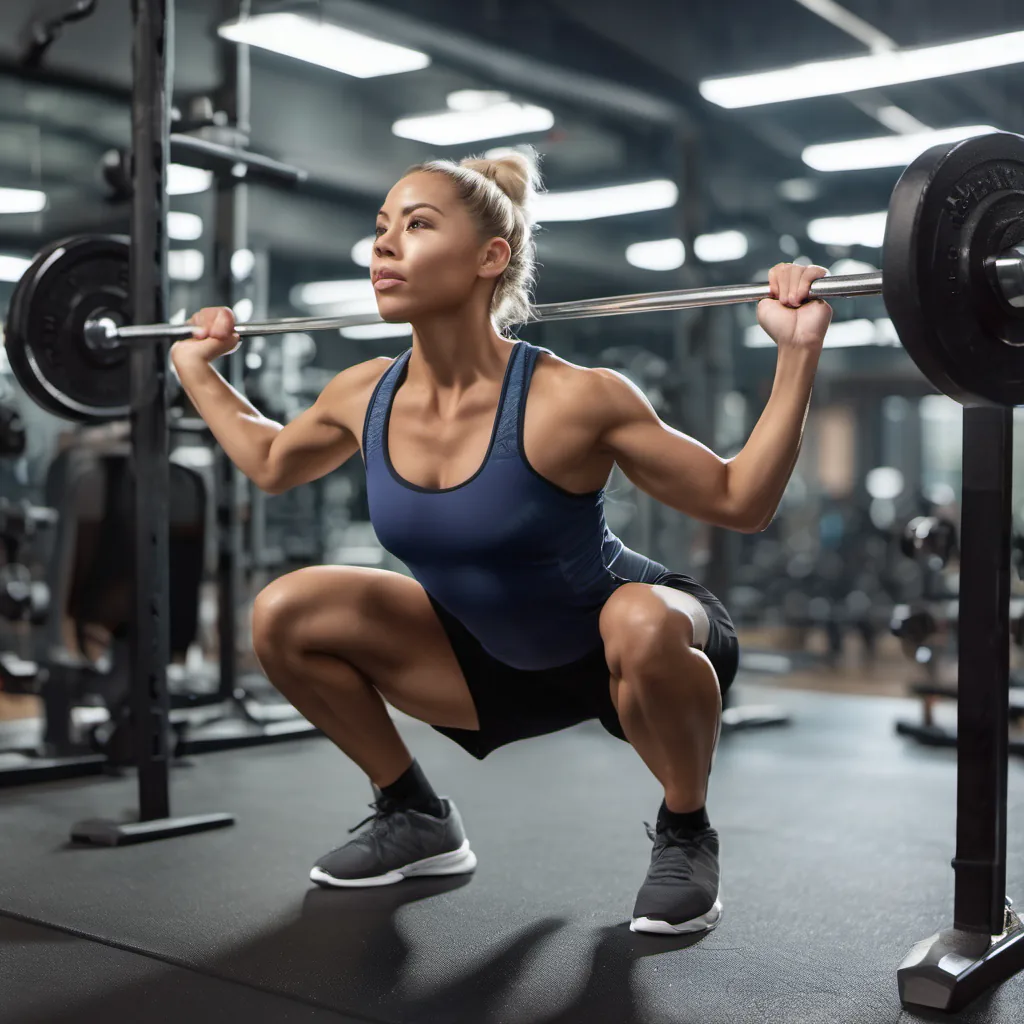
- Back Position: Keep your back straight during squats and deadlifts. This prevents excessive strain on your spine.
- Knee Alignment: Ensure your knees do not extend beyond your toes during squats. This reduces stress on the knee joint.
Control Your Movements
- Speed Control: Focus on the concentric (lifting) and eccentric (lowering) phases of each exercise. Avoid using momentum, which can lead to poor form and increase the risk of injury.
- Engaging Muscle Groups: Make sure to engage the correct muscle groups to minimize strain on joints and connective tissues.
Table 1: Key Points on Proper Form and Technique
| Technique Aspect | Description |
|---|---|
| Back Position | Keep back straight during lifts to protect the spine. |
| Knee Alignment | Avoid knees extending beyond toes during squats. |
| Speed Control | Focus on slow, controlled movements to prevent injury. |
| Engage Muscle Groups | Activate targeted muscles to minimize joint strain. |
Warm-up and Cool-down
Starting your weightlifting session with a proper warm-up can significantly reduce the risk of injury. Here’s how to effectively prepare your body:
Dynamic Stretches
- Duration: Aim for 5-10 minutes of dynamic stretches, such as arm circles, leg swings, and torso twists. This increases blood flow to your muscles and improves joint mobility.
- Purpose: A 2018 study published in the Journal of Strength and Conditioning Research found that proper warm-up routines reduced the incidence of muscle strains by up to 20% in weightlifters.
Static Stretches
- Post-Workout: After your lifting session, include static stretches, holding each stretch for 20-30 seconds. This helps improve flexibility and reduces muscle soreness.
- Focus Areas: Target the muscles you worked during your session to aid in recovery.
Table 2: Warm-up and Cool-down Techniques
| Technique | Purpose | Duration |
|---|---|---|
| Dynamic Stretches | Increase blood flow and mobility | 5-10 minutes |
| Static Stretches | Improve flexibility and reduce soreness | 20-30 seconds each |
Progressive Overload and Recovery
To maximize your strength gains while minimizing injury risks, it’s essential to follow these principles:
Gradual Increase in Weight
- Progressive Overload: Gradually increase the weight, sets, or reps you lift over time to challenge your muscles and promote growth. Avoid increasing the weight too quickly, as this can lead to injury.
- Monitoring Progress: Track your progress to ensure you're increasing weight at a sustainable pace.
Adequate Recovery
- Rest Between Workouts: Allow sufficient rest and recovery between workouts to enable muscle repair and rebuilding. Aim for at least 24-48 hours of rest between training the same muscle groups.
- Listen to Your Body: Pay attention to how your body feels. If you experience pain, it’s crucial to take a step back.
Table 3: Guidelines for Progressive Overload and Recovery
| Aspect | Recommendation |
|---|---|
| Weight Increase | Gradually increase weight, sets, or reps. |
| Rest Period | 24-48 hours of rest between muscle group training |
| Body Awareness | Listen to your body and rest when needed. |
Additional Techniques for Injury Prevention
Incorporating the following tips can further enhance your safety during weightlifting:
- Engage Core Muscles: Engaging your core during all exercises helps stabilize your spine and prevents lower back injuries.
- Mobility Exercises: Include mobility exercises in your routine to improve joint health and flexibility, reducing the risk of strains and sprains.
- Balanced Strength Training: Research from the National Strength and Conditioning Association (NSCA) suggests that individuals who maintain a balanced strength training program, targeting all major muscle groups, are less likely to experience overuse injuries.
- Eccentric Training: A 2016 study in the British Journal of Sports Medicine showed that eccentric training can reduce the risk of hamstring injuries by up to 70% in athletes.
Conclusion
In summary, focusing on proper form, warming up adequately, gradually increasing weights, and listening to your body are crucial techniques to avoid injury while weightlifting. Remember that weightlifting should be a journey towards health and strength, not a race. By prioritizing your safety and wellness, you can enjoy the benefits of a consistent, injury-free practice.
FAQs
Q1: How can I ensure I’m using proper form?
A1: Consider working with a trainer or using mirrors to check your alignment and posture during lifts.
Q2: How long should I warm up before lifting?
A2: Aim for 5-10 minutes of dynamic stretching to prepare your muscles for the workout.
Q3: What should I do if I feel pain during an exercise?
A3: Stop immediately and assess the situation. If pain persists, consult a healthcare professional before resuming your workouts.
Q4: How often should I incorporate rest days?
A4: At least 24-48 hours of rest between training the same muscle groups is recommended for recovery and muscle repair.
Related articles
The Best Weight-Lifting Equipment for Home Use
Discover the top weight-lifting equipment ideal for home use. From adjustable dumbbells to power racks, this guide covers essential and supplementary gear for effective strength training.
Reviewing the Best Weight-Lifting Equipment for Home Use
In this article, we review the best weight-lifting equipment for home use, focusing on adjustable dumbbells, power racks, benches, kettlebells, resistance bands, and flooring options. Discover how each piece of equipment can enhance your home workout experience.
Injury-Prevention Tips for Weight Lifters
Weightlifting can be a rewarding pursuit, but it comes with injury risks. This article provides essential tips for injury prevention, focusing on warm-up techniques, proper form, recovery, and safety equipment.